


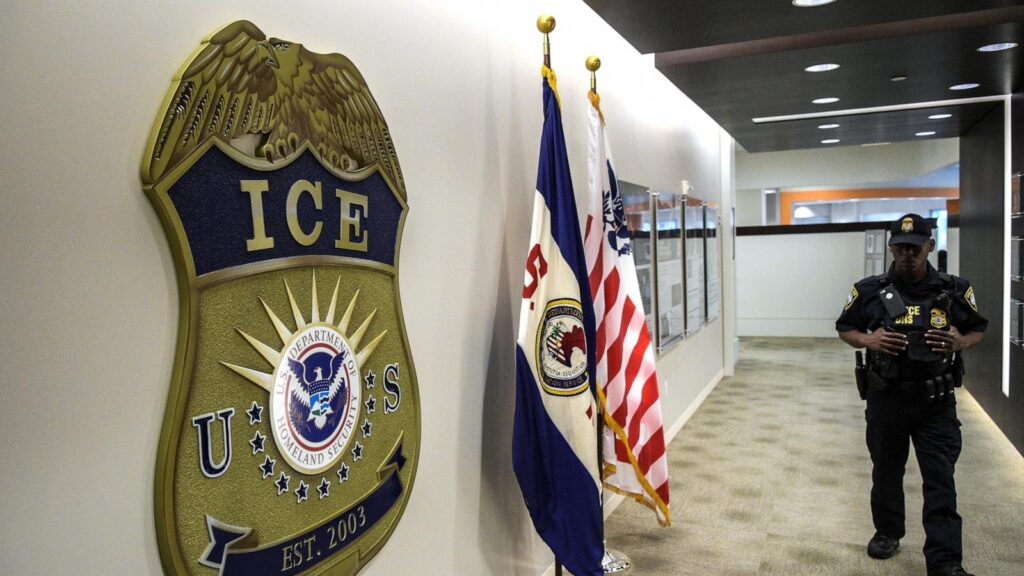
Immigration enforcement can be stressful and overwhelming, especially if Immigration and Customs Enforcement (ICE) officers show up at your door. Many immigrants, regardless of status, don’t always know their legal rights, which can lead to unnecessary detention or deportation.
At The Ansah Law Firm, PLLC, we believe that knowledge is power. This guide will help you understand your rights, protect yourself, and respond confidently if ICE comes knocking.
Can ICE Enter Your Home Without a Warrant?
The Fourth Amendment of the U.S. Constitution protects everyone in the U.S from unreasonable searches and seizures. That means ICE cannot enter your home without a valid warrant signed by a judge.
Two Types of Warrants:
- Judicial Warrant (Warrant of Arrest or Search Warrant): This warrant is issued by a judge and allows ICE to enter your home and make an arrest. These warrants are rarely used in immigration cases.
- ICE Administrative Warrant (Form I-200 or I-205): This warrant is not issued by a judge and does not permit ICE to enter your home. ICE officers often present these to pressure individuals into opening their doors.
Note that If ICE presents an administrative warrant, you are not legally required to open the door and let them into your home.
What to Do If ICE Visits Your Home
If ICE agents are at your door, stay calm and follow these steps:
1. Do Not Open the Door
ICE agents cannot enter your home unless you let them in or they have a judicial warrant. Speak through the door and ask them to slide the warrant under the door for review.
2. Check the Warrant Carefully
- Does it have a judge’s signature?
- Does it have your correct name and address?
- If it’s an ICE administrative warrant, you DO NOT have to let them in.
3. Stay Silent – You Have the Right to Remain Silent
- Remember that anything you say can be used against you.
- You are not required to answer questions about your immigration status.
- You can politely say: “I am exercising my right to remain silent.”
4. Do Not Sign Anything Without a Lawyer
ICE may try to pressure you into signing voluntary deportation documents. DO NOT SIGN ANYTHING without speaking to an immigration attorney.
5. Record the Encounter (If Safe to Do So)
- If possible, take photos or videos.
- Write down badge numbers, names, and what was said.
- Witness accounts can help with legal defense later.
6. Call an Immigration Attorney Immediately
If ICE detains you or a loved one, contact The Ansah Law Firm, PLLC right away. We can advocate for your rights and explore legal options to protect you.
What If ICE Enters Your Home Without Permission?
If ICE enters your home without consent or a valid warrant:
- Do not resist arrest (this can be used against you).
- Repeat: “I do not consent to this entry.”
- Ask for a lawyer immediately. You have the right to legal representation.
Your Rights If ICE Stops You in Public
If ICE approaches you on the street, at work, or in a public place:
- Stay calm and don’t run. Running can be seen as an admission of guilt.
- Ask if you are free to leave. If yes, walk away slowly and silently.
- Do not answer questions about your immigration status.
- Do not show fake documents or lie. Lying about your immigration status can harm your case.
Tip: If you are a green card holder or have a valid visa, carry copies of your immigration documents.
How to Prepare Your Family in Case of an ICE Raid
- Create a Family Preparedness Plan: Discuss what to do if someone is detained.
- Memorize Important Phone Numbers: Keep your lawyer’s contact info handy.
- Have a Power of Attorney: Assign someone to handle finances or child custody if necessary.
The first step to protecting yourself and your loved ones is to understand your rights. If you or someone you know needs legal guidance regarding ICE enforcement, The Ansah Law Firm, PLLC is here to help. We are committed to fighting for immigrants’ rights and ensuring that families stay together. Our team is experienced in:
- Deportation defense and removal proceedings
- ICE detention and bond hearings
- Asylum and humanitarian relief
- Green cards, visas, and citizenship applications
If you or a loved one needs legal assistance in connection with ICE enforcement, we are available to help.